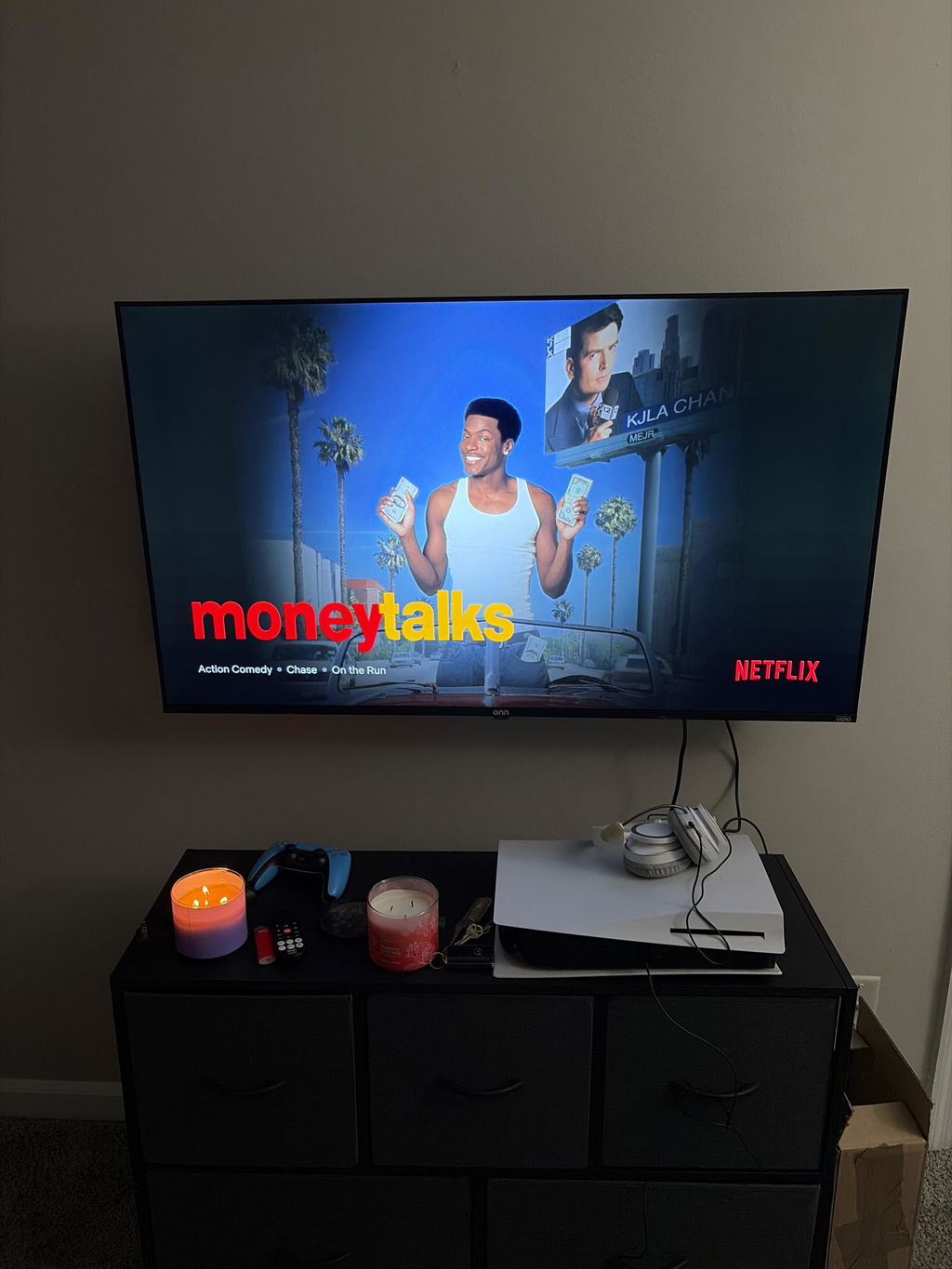
Planning a TV installation? Use these answers to prepare questions for Mount10TV. The right mounting and cable-management approach depends on your wall, TV, bracket, building rules, and the agreed service scope. Specialty work and reinforcement should be reviewed before installation.
How is my wall assessed before mounting?
Before installation proceeds, the wall material, available structural support, TV weight, bracket requirements, and proposed mounting location need to be assessed. Drywall, plaster, wood or metal studs, masonry, and tiled surfaces can require different approaches. Hidden wiring, plumbing, and other obstructions can affect placement. An initial assessment cannot guarantee that every concealed condition will be identified without further investigation.
Should a TV mount attach to studs or drywall anchors?
Where appropriate, fastening into suitable structural support is preferable to relying on drywall alone. Drywall anchors are not interchangeable with structural fastening. Any anchor-based installation must be suitable for the specific wall assembly, TV weight, bracket design, and manufacturer instructions. Full-motion brackets add leverage and need particular care. Do not assume an anchor's advertised weight rating makes the complete installation suitable.
What if the studs do not line up, or the wall needs reinforcement?
Possible options include adjusting the TV position, selecting a compatible bracket with a wider fastening span, or adding properly designed backing or blocking. Reinforcement may require opening and repairing the wall. Masonry, metal studs, damaged walls, and uncertain construction may need a different fastening system or specialist assessment. Availability, price, wall repairs, and any additional work must be confirmed before proceeding.
Can a TV be mounted on brick, concrete, plaster, or tile?
These surfaces may be suitable, but feasibility depends on the material and structure behind the finish, its condition, and the mounting system. A tile or decorative surface alone does not establish that the wall can support the installation. Send photos and wall details before booking; a site evaluation may be needed.
What are renter-considerate options?
Check your lease and obtain any required landlord or property-manager permission before drilling or altering wiring. Wall mounting normally leaves holes and is not damage-free; repair requirements vary. If drilling is not permitted, consider a compatible freestanding TV stand or furniture-based mounting system, used according to its stability and anti-tip instructions. Adhesive cable covers can also affect paint or finishes. Confirm approval and restoration expectations before choosing an option.
What is the difference between concealing signal cables and power wiring?
Low-voltage signal cables, such as HDMI or coaxial cables, are different from household electrical power wiring. Concealed signal-cable routes need cables and components suitable for the application, along with consideration of access, separation, fire blocking, and local requirements. Not every HDMI cable is suitable for installation inside a wall.
Do not treat a TV power cord or extension cord as an in-wall wiring solution. A new or relocated outlet, or another power solution, needs separate assessment. Consult a qualified, appropriately licensed electrician about power work, permits, and local requirements. Confirm with Mount10TV which cable-management tasks are included and which require a separate professional. Surface cable covers may be an alternative, depending on the cables, product instructions, and site conditions.
When is a site evaluation recommended?
Request an evaluation when the wall structure is unknown, damaged, or unusual; when mounting on masonry, tile, metal studs, or above a fireplace; when reinforcement may be needed; when cable routing is inaccessible or complex; or when rental or shared-building restrictions affect the installation. Fireplace locations also require consideration of heat exposure, clearances, and equipment manufacturer guidance.
What should a site evaluation cover?
The proposed review should address TV and mount compatibility, wall support and condition, placement and viewing height, accessible cable routes, power needs, property permissions, and whether another trade is needed. Ask Mount10TV to confirm the evaluation fee, deliverables, and whether invasive inspection is included. An evaluation is not a guarantee about concealed conditions or a substitute for required specialist inspection, permits, or approvals. Confirm the installation scope, exclusions, and any additional charges before work begins.
What should I send before booking?
Share your TV model or size and weight, your bracket model if supplying one, photos of the wall and nearby outlets, the desired TV location, any known wall-construction details, and any rental or building restrictions. Mention concealment requests and fireplace locations so evaluation needs can be discussed in advance.
Installation requirements vary by location and property. Consult Mount10TV and an appropriately qualified professional about your specific setup and applicable local requirements.